I opened a new Solana browser extension last week and immediately felt that mix of curiosity and mild dread that comes with any wallet setup. The onboarding screens tried to be friendly but still left somethin’ vague about permissions. I clicked through quickly at first, then paused to read. On one hand the flow is slick, though actually the permission list uses tech-speak that can trip up newcomers. Whoa!
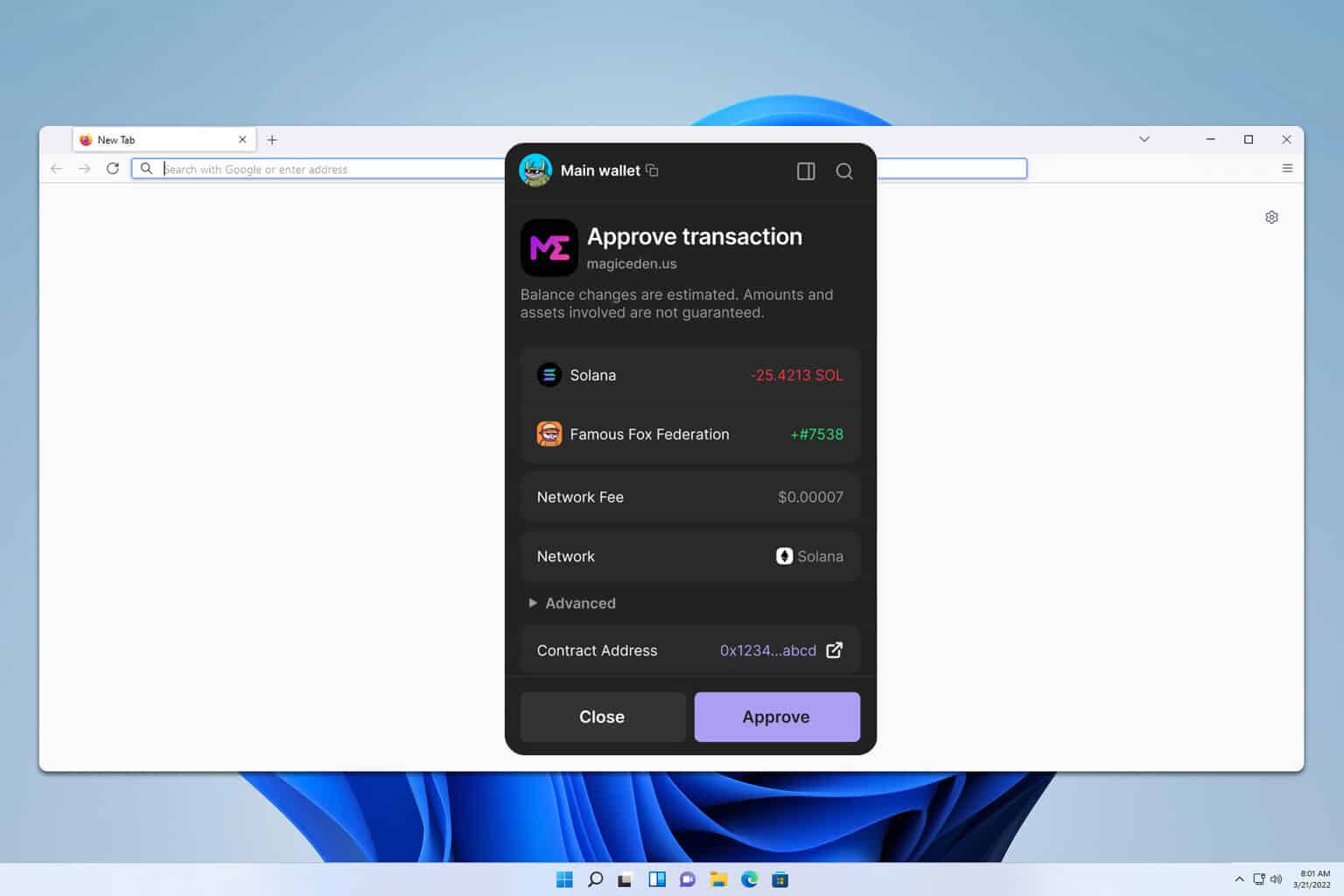
I tested sending a tiny SPL token to confirm the chain and network were correctly chosen. The transaction popped up in a neat confirmation modal that explained fees. That modal actually saved me from a bad mistake because it flagged an unusual destination address, which made me slow down and check the history myself. My instinct said to double-check the address before confirming, and I’m glad I did. Seriously?
NFT support is where these Solana wallets shine for me, though different extensions handle metadata and collections in various ways, which matters if you care about provenance or how galleries display. I synced an NFT and the gallery view showed high-res thumbnails quickly. There were a few quirks with lazy-loaded metadata. Initially I assumed all NFTs would behave the same across wallets, but then realized that some wallets cache differently, so transfers can look like failures even when the blockchain has recorded them—confusing, right? Hmm…
Security-wise, browser extensions are convenient and a bit scary at the same time. They live in the browser context which means tabs can interact if you’re not careful. On the plus side, hardware wallet integrations exist for most Solana extensions, which gives you that extra layer of cold-key protection, though the UX for connecting devices sometimes feels like an afterthought. I recommend using a hardware signer for large balances. Really?
Okay, so check this out—when I first tried staking SOL from an extension, the stake account creation fees and rent-exempt balances were buried in small text, and that small friction made me step back and calculate costs manually. Transaction fees on Solana are tiny, but there are other costs to factor in. Some wallets abstract those details, which is helpful, though sometimes that abstraction hides choices you might want. If you’re handing NFTs to a marketplace, watch the approval scopes. Here’s the thing.
Extensions also differ on developer tooling and dApp compatibility; some inject window.solana in the page while others use adapters or bridge libraries, and subtle API differences can break a site unexpectedly. As a dev, I debugged a failing mint flow that only showed up in one extension. That issue took an afternoon to isolate and patch. Initially I thought the problem was my contract, but then realized the extension’s provider implementation returned an extra field that my code assumed absent, so I patched defensively. Whoa!
User education matters more than any shiny feature the wallet might advertise. I saw people paste private keys into phishing forms and think they were accessing a “backup tool”. Something felt off about many tutorials that encourage copying seed phrases onto cloud docs; honestly, my recommendation is to write seeds on paper and store them in a safe place, then treat the seed like a skeleton key that grants account access to anyone who finds it. I’m biased, but that paper method has saved me from a few close calls. Hmm…
For everyday use, small UX touches win—clear nonce displays, readable fees, and easy network switching. I started to compare popular wallets head-to-head and there were clear winners in onboarding, others in dApp compatibility, and a couple that prioritized privacy features over convenience, which is a tradeoff you have to weigh depending on whether you’re collecting NFTs or building a product. If you just want a straightforward experience, there’s one I keep recommending. For many users—myself included—the phantom wallet fits that bill: snappy UI, good dApp support, and a friendly gallery for NFTs. Wow!
Quick, practical rules I use when choosing a Solana extension
I’m not 100% sure about every wallet update schedule, and that uncertainty bugs me when maintenance hits unexpectedly. So I keep small test accounts for trying new features before migrating funds. On one occasion a release introduced a change in signature ordering that broke a mint UI, and having a sandbox account let me catch it without risking real assets. Oh, and by the way, read release notes when you can—small changes matter. Really?
FAQ
Is a browser extension wallet safe for NFTs and tokens?
Short answer: yes, with caution. Use small balances in an extension for daily use, enable hardware signing for big moves, and never share your seed phrase or type it into a random site. Also watch approvals and revoke them periodically, because approval scopes can be abused by malicious contracts. Hmm…
Which features actually matter for dApp compatibility?
Provider support and popup flows matter a lot. dApps expect a certain provider API and a smooth connect/confirm flow; if your wallet delays confirmations or blocks popups, UX will suffer and users will drop off. Test mints, token transfers, and sign-in flows before recommending a wallet to others, and keep a simple sandbox handy for troubleshooting. Whoa!